Top Ad 728x90

jeudi 3 septembre 2026

99% of people are wrong… How many holes does this shirt really have?

by


 Here’s a 1,500-word puzzle-style blog post built around the viral “holes in the shirt” riddle, with the ambiguity explained rather than presenting one interpretation as the only possible answer.Apparel
Discover more
garment
blog
puzzle


Écriture

99% of People Are Wrong: How Many Holes Does This Shirt Really Have?


It looks like an easy question.


You see a shirt.Blogging Resources & Services


You look at the picture.


You count the holes.


Simple, right?


Not quite.Puzzles & Brainteasers


The viral puzzle asking “How many holes does this shirt really have?” has confused thousands of people because the answer depends on something we often forget when solving visual riddles:


What exactly counts as a hole?
Discover more
Blog
Writers Resources
Clothing


At first glance, you may confidently count the obvious openings.


There is an opening for the head.


Two openings for the arms.


An opening at the bottom.Dictionaries & Encyclopedias


That gives you four.


But then you notice something else.


Perhaps the shirt has several tears.


Maybe you can see through them.


Suddenly, the answer changes.


And if those tears pass through both the front and back of the shirt, the total can become even larger.


That's where the puzzle gets interesting.Apparel


The obvious answer: four


Let's begin with the simplest interpretation.


A typical shirt has four major openings:


One opening for the head

Two openings for the arms

One opening at the waist or bottom


So if someone asks, “How many holes does a shirt have?” without showing you a picture, four is a perfectly reasonable answer.


But this puzzle isn't really testing your knowledge of clothing.


It's testing whether you pay attention to the details of the image.


If the shirt shown in the puzzle has additional holes or tears, the obvious answer is no longer enough.Photo & Image Sharing


Then you notice the damage


Look closely at the shirt.


The fabric isn't completely intact.


There are additional openings in the material.


That's the first trap.


Many people automatically count only the openings that a shirt normally needs.


But a hole caused by damage is still an opening in the fabric.


So now we have to add those damaged areas to our original four.


And that's where different versions of the puzzle can produce different answers.


But wait—can you see through the holes?Puzzles & Brainteasers


This is the second trick.


Suppose a tear appears on the front of the shirt.


If you can see the background through it, that means the opening passes through the fabric.


But what if the shirt has both a front and a back layer?


Does one visible tear represent one hole?


Or could it represent two openings because the damage has gone through both layers?


This is where the puzzle stops being simple counting and becomes a question about definitions.


The “double-layer” trick


Imagine holding a shirt flat.


There are two layers of fabric: the front and the back.


Now imagine making a hole that passes completely through both layers.


From the front, you see one opening.Visual Art & Design


But the hole also creates an opening in the back layer.


Depending on how the puzzle defines a “hole,” you might count that as one continuous passage or as two damaged openings.


This distinction is why people can look at the same image and confidently produce different answers.


They're not necessarily making arithmetic mistakes.


They're using different definitions.


What does “hole” actually mean?


This is the real question.


A hole can be thought of as an opening through something.


But when an object consists of multiple layers, counting openings becomes less straightforward.


Imagine punching a hole through a sheet of paper.


Most people would say there's one hole.Photo & Image Sharing


Now fold the paper in half and punch through both layers.


When you unfold it, you may see two holes.


But if the two layers remained together, someone might describe the result as one passage through two layers.


Neither interpretation is inherently absurd.


Context matters.


The shirt's normal openings


Before worrying about the damaged areas, let's establish the standard openings.


A conventional shirt has:


Head opening: The opening through which you put your head.


Two sleeve openings: The openings through which your arms emerge.Apparel


Bottom opening: The opening around the waist.


That gives us four.


Some clothing designs complicate this further.


A button-up shirt, for example, has a front opening that runs between the two sides of the garment.


Depending on how you're counting, that can introduce another ambiguity.


So even the phrase “a shirt has four holes” isn't universally precise.


Why the puzzle says “really”


The word “really” is doing a lot of work.


“How many holes does this shirt have?” sounds like an ordinary counting question.


“How many holes does this shirt really have?” suggests that the obvious answer is hiding something.


It's a classic puzzle-writing technique.Dictionaries & Encyclopedias


The question encourages you to produce a quick answer.


Then the image challenges that answer.


The goal isn't simply to count.


It's to inspect.


Why people miss the extra holes


Humans are very good at recognizing familiar objects.


When we see a shirt, our brains immediately categorize it as “shirt.”


That recognition is useful.


It saves mental effort.


But it can also make us overlook unusual details.Puzzles & Brainteasers


Instead of carefully examining the image, we see the object we expect to see.


A shirt.


Not a damaged shirt.


Not a shirt with additional openings.


Not a puzzle containing hidden visual clues.


Just a shirt.


That's exactly the mental shortcut the riddle exploits.


The importance of slowing down


The best way to solve visual puzzles is often surprisingly simple:


Look again.Photo & Image Sharing


Don't trust your first answer.


Examine the entire object.


Look at the edges.


Look at the center.


Look for unusual shapes.


Check whether the background is visible through openings.


And ask whether the image contains overlapping layers.


This method works far beyond shirt puzzles.


It's useful for optical illusions, logic puzzles and even everyday problem-solving.


Our first perception isn't always our most accurate one.Apparel


Are there four holes or more?


Now we can understand why there isn't necessarily one universally correct number without specifying the exact image and counting rules.


If you're counting only the normal openings of a conventional shirt, the answer is four.


If the image contains additional tears, those must be included.


If those tears pass through both the front and back layers, some versions of the puzzle count the corresponding openings separately.


That can produce a much higher total.


The answer therefore depends on exactly what the image shows and what the puzzle setter means by “hole.”


The classic viral answer


Many versions of the viral puzzle are designed around the idea that there are the four normal openings plus several damaged openings.Visual Art & Design


The intended solution may count the tears visible in the shirt and then account for openings through the back.


In those versions, the answer can be eight, 10, or another number depending on the exact image.


That's why it's important not to blindly repeat a viral answer without seeing the particular picture.


The puzzle's wording and illustration are part of the problem.


Why “99% are wrong” is misleading


You've probably seen puzzle headlines that say:


“99% of people get this wrong!”


These headlines are designed to create curiosity.


They make the puzzle feel like an intelligence test.Puzzles & Brainteasers


But there is usually no reliable scientific evidence behind the “99%” claim.


It's marketing language.


The puzzle doesn't prove that someone is unintelligent because they chose the wrong number.


In fact, people can arrive at different answers because the question is ambiguous.


A person who answers four may simply be counting the shirt's standard openings.


A person who answers more may be counting the tears.


Both are reasonable starting points.


The interesting part is explaining the assumptions.


The puzzle isn't really about intelligence


This is important.Photo & Image Sharing


Visual riddles are often described as tests of IQ or intelligence.


They're not necessarily that.


Success can depend on attention, familiarity with puzzle conventions and willingness to challenge assumptions.


Someone may be extremely intelligent and still give the obvious answer because they interpret the question literally.


Another person may have encountered a similar puzzle before and immediately recognize the trick.


That doesn't mean one person is smarter.


It means they approached the image differently.


A better way to solve visual riddles


Whenever you encounter a puzzle like this, use a simple checklist.Apparel


Step one: Count what is obvious


Start with the ordinary features.

What Changes Usually Appear After Age 70 — and Why Is It Important to Know About Them Early?

by


When you reach 70, your body doesn’t ask for permission — it simply begins to change.

These changes rarely happen all at once or with obvious warning signs. Instead, they appear slowly and quietly. Many people assume that if they feel okay, everything must be fine. But the truth is that certain physical and neurological changes affect everyone as they age. The real difference lies not in avoiding them, but in preparing for them early.

Years of medical observation show that both physical and neurological changes help explain why many older adults experience loss of balance, reduced strength, or less confidence in movement. Understanding these changes is the first step toward staying in control of your life.

1. Balance Begins to Decline

After age 70, the inner ear — which helps maintain balance — gradually weakens. Its sensors become less accurate, sending mixed signals to the brain. This can lead to dizziness, instability, or the sensation that the ground is moving.

What makes this especially risky is that many people do not notice the problem until they fall.

What helps:
Practice balance exercises daily to help the brain adapt and compensate.


2. Reaction Time Slows Down

As we age, the nervous system processes information more slowly. The brain takes longer to react, and the muscles respond with a delay.

Even a fraction of a second can mean missing a step, failing to grab support, or not reacting quickly enough to prevent a fall. This is not carelessness — it is a natural biological process.

The good news is that reaction speed can still improve with regular training.


3. Gradual Muscle Loss

A condition known as sarcopenia causes muscle mass to decline with age. It often begins after age 50 and accelerates after 70.

Tasks such as standing up, carrying groceries, or opening jars may suddenly feel much harder. Loss of strength is one of the main reasons many older adults lose independence.


4. Bones Become Weaker

4. Bones Become Weaker

Osteoporosis develops quietly, often without pain or warning signs. In many cases, a fracture occurs before a person even realizes there is a problem.

A simple fall — or sometimes even less — can cause serious injuries such as hip fractures, which may greatly reduce quality of life and mobility.


5. Reduced Body Awareness

Proprioception — the body’s ability to sense its position without looking — declines with age.

As a result, the brain may misjudge movement, causing trips and stumbles even when obstacles are clearly visible. You may think your foot cleared the step — but it didn’t.


6. Slower Protective Responses During Falls

Younger bodies react instantly when balance is lost. By age 75, reaction time can be nearly twice as slow.

That small delay can determine whether you recover your balance or fall.

Although aging cannot be reversed, the body can still adapt and improve with the right exercises.


7. Fear Itself Increases the Risk of Falling

Ironically, fear of falling can actually make falls more likely.

Fear often causes stiff movements, shorter steps, and reduced stability. A tense body is less balanced and more vulnerable to sudden loss of control.

Confidence is physical. When you trust your body again, your movements become smoother, safer, and more stable.


Practical Tips to Stay Strong and Stable

  • Train your balance daily: Try standing on one leg while brushing your teeth. Start with 10 seconds and gradually increase the time.
  • Build strength: Use resistance bands or perform simple strength exercises for at least 15 minutes a day.
  • Improve coordination: Activities such as tossing a ball or playing reaction-based games help keep the nervous system active.
  • Protect your bones: Combine light-impact exercise with calcium-rich foods and sufficient vitamin D.
  • Boost body awareness: Walk heel-to-toe in a straight line or practice reaching for objects with your eyes closed.
  • Review medications: Some medications may cause dizziness. Always consult a healthcare professional.
  • Rebuild confidence: Move calmly and without fear. Confidence improves balance and stability.

Growing Older Does Not Mean Losing Independence

Turning 70 does not mean losing your independence.

It simply means your body requires a different kind of care — not less movement, but smarter movement.

These changes are natural, but they do not have to control your life. Starting today can make the difference between limitation and remaining active, independent, and confident for many more years.


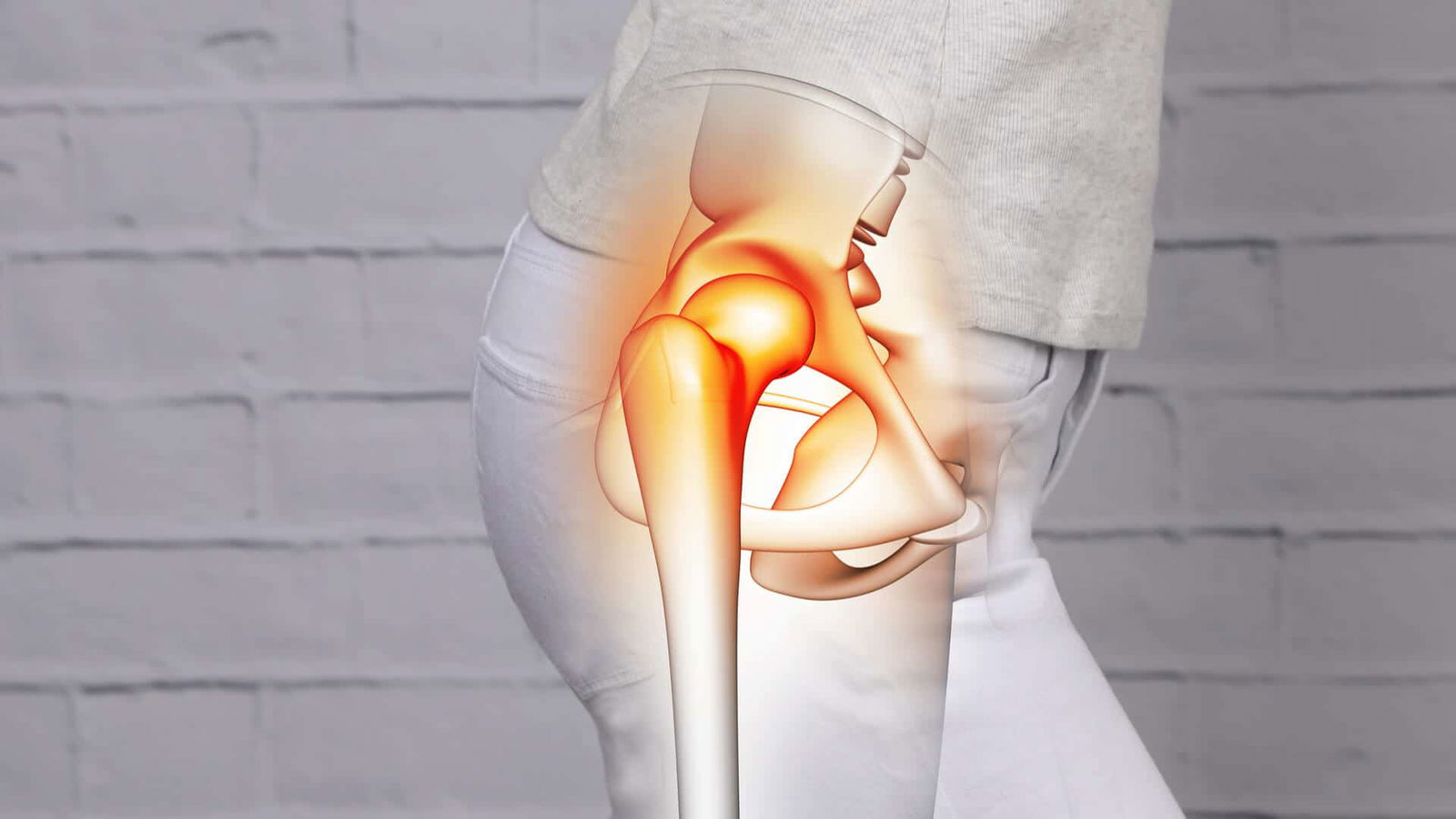
Hip pain: what does it mean

by


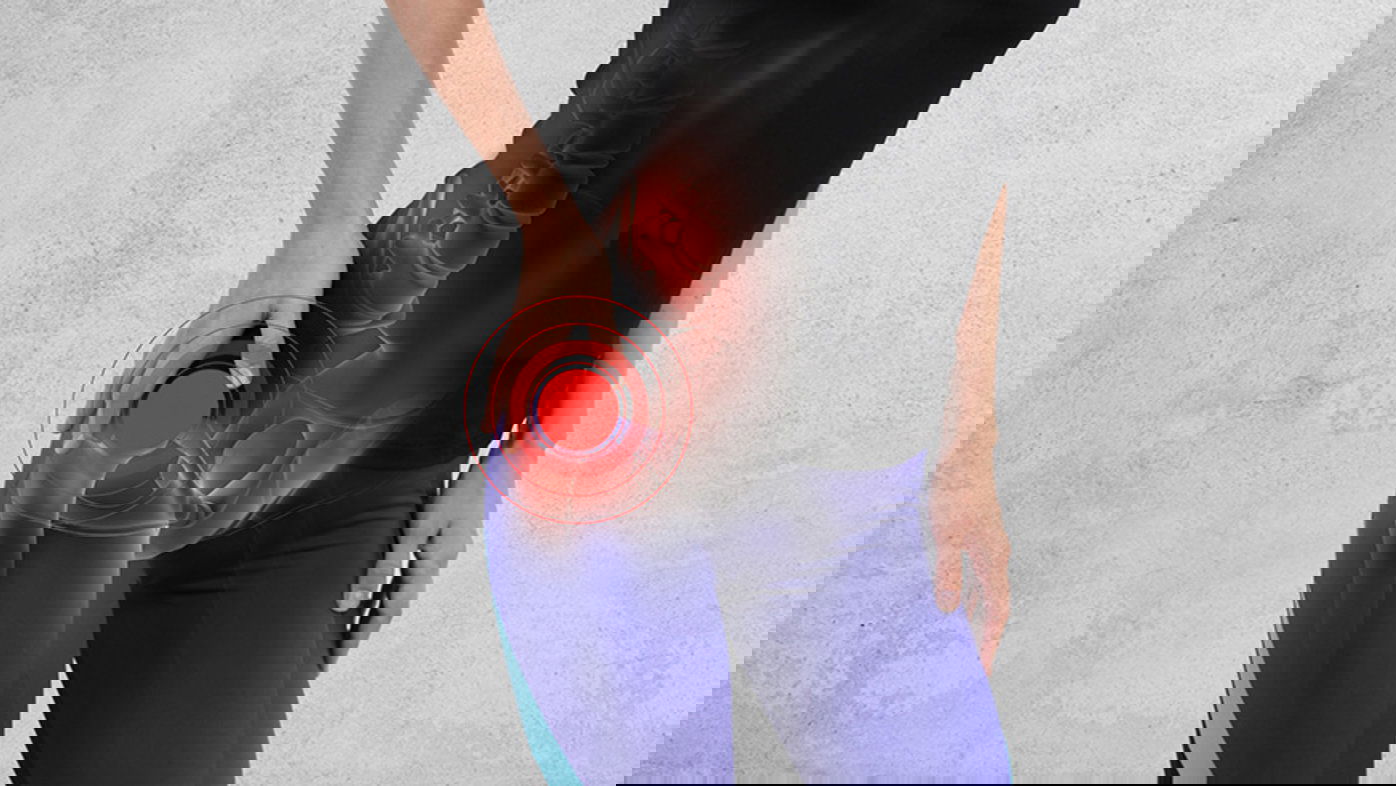
Do you deal with bending over to tie your shoelaces, climbing stairs becomes an effort, and morning stiffness becomes a daily problem? These often clear signs may actually discover hip wear and tear, which is much more popular than you might think. Long confined to the elderly, it now affects more and more active adults from the ages of 35-40

What exactly is a worn hip?


A “worn” hip means a deterioration of the articular cartilage, this protective tissue that prevents the bones from eroding against each other. When this cartilage drops off or disappears, the friction leads to pain, stiffness, and sometimes inflammation : this is osteoarthritis of the hip (or coxarthrosis).

The main causes?

A set of factors, often mixed:

  • Genetic tendency: some families are more affected.
  • Overweight: every extra kilo raises the load on the joint.
  • Physical occupations or repeated sports: heavy work or repetitive movements boosts wear and tear.
  • History of injuries (fractures, dislocations) or joint diseases such as polyarthritis.

Signs that should wa:rn you

Continued on next page

These are the consequences of sleeping with the… See more

by


 The title appears to be incomplete: “These are the consequences of sleeping with the… See more”.

Could you provide the full title or topic? For example:

    “These are the consequences of sleeping with the TV on”

    “These are the consequences of sleeping with the lights on”

    “These are the consequences of sleeping with the phone near your bed”

    “These are the consequences of sleeping with wet hair”

Once you share the complete topic, I can write a detailed 1,500-word blog post in the style and tone you prefer (informative, SEO-focused, professional, conversational, etc.).Download Blog Template

Did you know that when a lizard visits your house it's a sign of... FULL STORY IN FIRST COMMENT👇👇👇

by


 Did You Know That Finding a Lizard in Your House Is a Sign Of…?

Finding a small lizard or gecko on your wall can be surprising, especially when it suddenly appears at night. But in most cases, its presence is not a sign of something dangerous. Reptiles& Amphibians

In fact, a house gecko may be telling you something quite simple: there are insects around your home.
1. Your Home May Have Plenty of Insects

House geckos are natural insect hunters. They commonly feed on flies, moths, mosquitoes, cockroaches, spiders and other small insects.

If you regularly see geckos near windows, balconies, lights or ceilings, they may simply be following their food source.
2. Outdoor Lights May Be Attracting Them

Many house geckos are nocturnal. At night, they often stay close to artificial lights because insects gather around them.

So if you frequently find one near a bright window or outdoor lamp, the light may be creating a convenient hunting spot.
3. There May Be Small Openings Around Your House

Geckos can enter through surprisingly small gaps around doors, windows, vents and other openings. Once inside, they may hide in cracks and dark spaces during the day and come out at night to hunt.
Discover more
insect
Reptiles & Amphibians
Insects

4. It Usually Doesn’t Mean Your House Is “Dirty” Home& Garden

Seeing a gecko does not automatically mean that your home is dirty or neglected. These animals are naturally attracted to buildings because buildings provide shelter, warmth and easy access to insects.

In many cases, they are simply taking advantage of a convenient environment.
5. Geckos Can Actually Help With Insects

Although you may not want one crawling across your bedroom wall, house geckos can be useful predators.

They eat many insects that people generally don’t want indoors, including mosquitoes, flies, moths and cockroaches.
So, Is a Lizard in Your House a Bad Sign?

Usually, no.

There are many cultural beliefs about lizards being signs of good luck, bad luck, visitors or upcoming events. However, there is no scientific evidence that finding a gecko in your house predicts the future.

The more practical explanation is much simpler:

A gecko has probably found food and shelter. Reptiles& Amphibians

If you don’t want them indoors, reduce the insects that attract them, keep doors and windows well sealed, and close cracks or gaps where they can enter.

And the next time you see one quietly sitting on the wall, remember: it may be there because your house has become a convenient hunting ground—not because something mysterious is about to happen.


People vaccinated against COVID-19 may be sick…See more ​‍͏

by


People Vaccinated Against COVID-19 May Still Become Sick — What the Evidence Really Shows

 COVID-19 vaccination changed the course of the pandemic by giving millions of people protection against severe disease. Yet one fact has sometimes caused confusion: people who have been vaccinated can still become infected with SARS-CoV-2 and develop COVID-19.Covid-19
Discover more
infections
Covid-19
Medical Literature & Resources

A headline such as “People vaccinated against COVID-19 may be sick…” can sound alarming, particularly when the rest of the statement is hidden behind a “See more” link. But vaccination was never a guarantee that a person would never become infected or never experience symptoms.

The more accurate question is not whether vaccinated people can become sick.

They can.

The important question is how vaccination changes the risk of infection, severe illness, hospitalization, and death, and what people should understand about protection as the virus continues to evolve.Dictionaries & Encyclopedias

COVID-19 vaccines have been studied extensively, and recommendations have changed over time as new variants, new evidence, and different population risks have emerged.

Understanding that changing landscape is much more useful than relying on a frightening or incomplete social-media headline.
Vaccination Does Not Mean Perfect Immunity

One of the most important concepts in infectious disease is that vaccines do not necessarily provide what scientists call “sterilizing immunity.”Vaccines & Immunizations

Sterilizing immunity would mean that after vaccination, a person could not become infected or transmit the pathogen at all.

Some vaccines provide extremely strong protection against infection, while others are particularly valuable because they reduce the likelihood of severe disease even when infection occurs.

COVID-19 vaccines fall largely into the second category.

They stimulate the immune system to recognize SARS-CoV-2 and respond more effectively when the virus is encountered.Health Conditions

This can reduce the risk of serious consequences even though infection remains possible.

That distinction is essential.
Discover more
Legal
infectious disease
Health News

A vaccinated person testing positive for COVID-19 does not automatically demonstrate that vaccination “failed.”

The vaccine may still have provided substantial protection against hospitalization or severe disease.
Why Vaccinated People Can Still Get COVID-19

Viruses evolve.Covid-19

SARS-CoV-2 has produced numerous variants since the beginning of the pandemic.

Changes in the virus can affect how easily it spreads and how well antibodies generated by previous infection or vaccination recognize it.

Protection against infection can therefore decline over time.

This is one reason vaccine formulations and recommendations have been updated.

The immune system is also complicated.Health

Vaccination produces several layers of immune protection, including antibodies and cellular immune responses.

Antibody levels can decrease over time.
Discover more
Infections
vaccines
healthy

However, other components of immunity can continue to provide protection against serious disease.

This means that immunity should not be viewed as a simple switch that is either completely “on” or completely “off.”Infectious Diseases
Infection Versus Severe Disease

There is an important difference between preventing infection and preventing serious illness.

A person can become infected and experience a few days of mild symptoms.

Another person can develop pneumonia, breathing difficulties, or other complications requiring hospitalization.Dictionaries & Encyclopedias

Vaccination can affect these outcomes differently.

Protection against infection may decrease more noticeably over time or as new variants emerge.

Protection against severe outcomes can remain stronger, particularly after more recent vaccination or in people whose immune systems respond well.

This is why public-health discussions often focus on hospitalization and death rather than simply counting positive tests.
Mild Illness Can Still Occur

Vaccinated people who become infected may experience symptoms such as:

    Sore throat
    Cough
    Runny or congested nose
    Fever
    Chills
    Headache
    Fatigue
    Muscle aches
    Loss or alteration of taste or smell
    Nausea
    Vomiting
    Diarrhea
    Biological Sciences

Symptoms can vary significantly from person to person.

Some people have no noticeable symptoms.

Others experience several symptoms but recover at home.

Some people, especially those with certain risk factors, can still become seriously ill.

Vaccination reduces risk, but it does not eliminate it.
Why Risk Is Different From Certainty

Medical prevention rarely produces a 100-percent guarantee.

Instead, vaccines change probabilities.

Imagine two groups of people exposed to the same virus.

If vaccination reduces the likelihood of severe disease, the vaccinated group may still contain people who become seriously ill.

That does not contradict the vaccine's effectiveness.Vaccines & Immunizations

It reflects the difference between relative risk and absolute certainty.

The same principle applies to many areas of medicine.

A seat belt does not guarantee that someone will survive every car accident.

But wearing one can substantially reduce the risk of serious injury.

Vaccination works according to a similar principle of risk reduction, although the biology is obviously different.
Who Remains at Greater Risk?

COVID-19 does not affect every person equally.

Risk of severe disease is generally higher among older adults and people with certain underlying medical conditions.

People with weakened immune systems may also respond differently to vaccination.

Other factors can influence outcomes, including previous immunity, the circulating variant, and how recently someone was vaccinated or infected.Health Conditions

This is why vaccine recommendations can differ according to age, health status, and other circumstances.

People who are uncertain about their personal risk should discuss vaccination and prevention with a healthcare professional.
Immunocompromised People Require Special Consideration

Some people have immune systems that do not respond normally to vaccines.

This can occur because of certain medical conditions or treatments.

For these individuals, vaccination can still be important, but the level and duration of protection may differ.

Doctors may recommend additional preventive strategies depending on the person's circumstances.

Someone with significant immune suppression should not assume that a standard vaccination schedule provides exactly the same protection as it does for a healthy person.

Individual medical advice matters.Covid-19
Protection Changes Over Time

Another source of confusion is the concept of waning immunity.

After vaccination, immune responses generally do not remain at exactly the same level forever.

Antibody levels can decline.

Meanwhile, the virus can change.

These factors can reduce protection against infection over time.

This does not mean that all immune protection disappears.

Memory B cells, T cells, and other components of the immune system can continue responding when the body encounters the virus.

The immune system is not a static system.

It learns, adapts, and changes over time.Infectious Diseases
Previous Infection Can Also Provide Immunity

People can develop immune responses after recovering from COVID-19.

This is sometimes called infection-induced immunity.

Vaccination and previous infection can both contribute to a person's overall immune history.

Some people have experienced multiple infections and vaccinations over the course of the pandemic.

This complicated history is one reason it is difficult to describe everyone's level of protection with a single number.

Immunity varies between individuals.
Hybrid Immunity

When a person has immunity resulting from both vaccination and previous infection, researchers often use the term “hybrid immunity.”

This can produce substantial protection against severe disease.Health

However, previous infection is not a substitute for vaccination.

Getting infected deliberately is not considered a safe prevention strategy because COVID-19 can cause serious complications, including hospitalization, long-term symptoms, and death.

The goal of vaccination is to build immune protection without requiring someone to experience the risks of the disease itself.
COVID-19 Vaccines Do Not Cause COVID-19 Infection

A common misunderstanding is that someone becomes infected because a COVID-19 vaccine “gave them COVID.”

The vaccines used in routine COVID-19 vaccination programs are not designed to cause a person to develop an infection with live SARS-CoV-2.

People may develop temporary symptoms after vaccination, such as a sore arm, fatigue, headache, fever, or muscle aches.

These symptoms reflect immune activation and are not the same thing as having a SARS-CoV-2 infection.Vaccines & Immunizations

A person can also happen to become infected around the same time as vaccination.

Because the incubation period for infections can mean exposure occurred before symptoms appeared, timing can sometimes create the impression that the vaccine caused the illness.
Why Timing Can Be Misleading

Suppose someone receives a vaccine on Monday and develops a sore throat on Wednesday.

It is understandable that they might connect the two events.

But the sore throat could have resulted from an infection acquired before vaccination or from another respiratory virus altogether.

Temporal association does not automatically establish causation.

This principle is important whenever people evaluate medical claims.

A health event occurring after a vaccine does not necessarily mean the vaccine caused that event.

Scientists investigate possible vaccine side effects using large databases and epidemiological studies precisely because timing alone is not enough.Biological Sciences
Side Effects Are Not the Same as COVID-19

COVID-19 vaccination can cause temporary side effects.

Common reactions may include:

    Pain at the injection site
    Fatigue
    Headache
    Muscle pain
    Chills
    Fever
    Joint pain

These effects generally resolve relatively quickly.

Serious adverse events can occur but are uncommon.

The specific risks depend on the vaccine type, age group, sex, medical history, and other factors.

People should seek medical advice if they experience unusual or severe symptoms after vaccination.Health Conditions
Myocarditis and Pericarditis

One uncommon adverse event associated with some COVID-19 vaccines is myocarditis or pericarditis, particularly in certain younger male age groups after mRNA vaccination.

Myocarditis is inflammation of the heart muscle.

Pericarditis is inflammation of the sac surrounding the heart.

Symptoms can include chest pain, shortness of breath, or a feeling that the heart is beating rapidly or irregularly.

Anyone experiencing concerning chest symptoms after vaccination should seek medical evaluation rather than trying to determine the cause alone.

It is also important to understand that COVID-19 infection itself can affect the heart and is associated with cardiovascular complications.

Medical decisions therefore require comparison of both disease risks and vaccine risks.
Severe Allergic Reactions

Severe allergic reactions to vaccines are rare.Infectious Diseases

Vaccination sites are equipped to manage immediate allergic reactions, and people with certain allergy histories may be advised to take additional precautions.

If someone develops signs of a severe allergic reaction after vaccination—such as difficulty breathing, swelling of the face or throat, or widespread hives—emergency medical attention is required.

People with known allergies to vaccine ingredients should discuss them with a healthcare professional before receiving another dose.
What If You Test Positive After Vaccination?

If a vaccinated person tests positive for COVID-19, the next steps depend on symptoms, risk factors, local guidance, and the circumstances of the infection.

A positive test indicates that the person is infected.

Vaccination status does not change the meaning of the test.

The person should take reasonable precautions to reduce the possibility of transmitting the virus to others, particularly people who may be medically vulnerable.Covid-19

Current isolation and masking recommendations can change over time, so people should consult up-to-date public-health guidance.
Vaccinated People Can Still Transmit the Virus

Another important misconception is that vaccination makes transmission impossible.

It does not.

Vaccinated people can become infected and transmit SARS-CoV-2.

However, vaccination can reduce the likelihood of infection during periods when protection is strong, which can indirectly reduce opportunities for transmission.

The degree of reduction can vary depending on the circulating variant and how recently someone was vaccinated or infected.

Therefore, vaccination should not be treated as a guarantee that a person cannot spread COVID-19.
What Symptoms Should Concern You?

Most respiratory infections can be managed without emergency treatment.Health

But some symptoms require urgent medical attention.

Warning signs can include:

    Significant difficulty breathing
    Persistent chest pain or pressure
    New confusion
    Inability to stay awake
    Blue, gray, or unusually pale skin, lips, or nail beds
    Severe weakness or rapid deterioration

These symptoms can occur for many reasons, not only COVID-19.

If they appear, urgent medical evaluation is appropriate.
Long COVID Is Another Consideration

One of the reasons preventing infection remains important is the possibility of prolonged symptoms after acute COVID-19.

Long COVID is a broad term describing health problems that continue or develop after the initial infection.Vaccines & Immunizations

People may experience persistent fatigue, difficulty concentrating, shortness of breath, sleep problems, changes in smell or taste, exercise intolerance, or other symptoms.

Not everyone who has COVID-19 develops Long COVID.

Risk varies among individuals.

Research continues to investigate why some people experience prolonged symptoms while others recover quickly.
Vaccination and Long COVID

Research has examined whether vaccination affects the risk of developing Long COVID.

Evidence suggests that vaccination can reduce the risk of Long COVID to some extent, although it does not eliminate the possibility.

Because research is still evolving, scientists continue studying how vaccination timing, repeated infections, variants, and other factors influence long-term outcomes.

This is another example of why health information should be updated as evidence develops.
Why Vaccines Are Updated

The virus that caused the first major waves of COVID-19 is not genetically identical to the viruses circulating later.Health Conditions

As SARS-CoV-2 evolves, vaccine manufacturers and health authorities may update vaccines to better match currently circulating variants or lineages.

The purpose is to improve protection against infection and, importantly, severe disease.

This process is not unique to COVID-19.

Influenza vaccines are also reviewed and updated because influenza viruses evolve continually.
The Difference Between Vaccine Effectiveness and Vaccine Efficacy

You may encounter two related terms: efficacy and effectiveness.

Vaccine efficacy generally refers to performance under controlled conditions, such as a clinical trial.

Vaccine effectiveness refers to how well a vaccine performs in real-world populations.

Real-world effectiveness can differ because populations are more diverse and because factors such as age, previous infection, timing, circulating variants, and healthcare access influence outcomes.Infectious Diseases

That is why studies continue after vaccines are authorized.
Why No Vaccine Works the Same for Everyone

People have different immune systems.

Age influences immune response.

Certain medications can suppress immunity.

Chronic conditions can affect vulnerability.

Previous infections can alter immune history.

The interval between vaccine doses can matter.

The virus itself changes.

All these variables mean that one person's experience cannot automatically be used to predict another person's experience.

A friend getting COVID after vaccination does not prove that vaccination is ineffective.Covid-19

Likewise, a person remaining infection-free does not prove that vaccination provides absolute immunity.
Understanding Breakthrough Infections

A COVID-19 infection occurring after vaccination is often described as a breakthrough infection.

The term can sound as though something unusual or unexpected has happened.

In reality, breakthrough infections were anticipated because no vaccine provides perfect protection against infection.

What matters is how frequently they occur and how severe they are compared with infections in unvaccinated people.

Public-health researchers use large datasets to answer those questions.
Why Statistics Matter

Individual stories can be emotionally powerful.Health

Someone may say:

“I was vaccinated and still got COVID.”

That statement can be completely true.

But it tells us only what happened to one person.

It does not tell us how vaccination changes risk across millions of people.

Medical science relies heavily on population-level evidence because individual experiences cannot reliably determine whether an intervention works.

This is true for vaccines, medications, surgery, diet, and virtually every other area of medicine.
The Importance of Risk Reduction

A better way to think about vaccination is risk reduction.

Suppose an intervention reduces the probability of a bad outcome.

It does not mean zero people will experience the outcome.Vaccines & Immunizations

Some vaccinated people will still become infected.

Some will still be hospitalized.

Some may still die.

But if the overall probability is lower, the intervention can still provide substantial benefit.

This distinction is essential when interpreting vaccine data.
What Vaccination Cannot Do

Vaccination cannot:

    Guarantee that you will never contract COVID-19
    Guarantee that you will never have symptoms
    Guarantee that you cannot transmit the virus
    Eliminate every possible complication
    Replace all other medical care

Vaccination is one component of disease prevention.

For people at elevated risk, additional strategies may be appropriate.Dictionaries & Encyclopedias
What Vaccination Can Do

COVID-19 vaccines can help train the immune system to respond to the virus.

Their most important benefit has been reducing the risk of severe outcomes.

Protection varies by vaccine, variant, age, health status, and time since vaccination.

Because recommendations evolve, people should use current guidance rather than relying on information from the earliest stages of the pandemic.
Why Older Information Can Be Misleading

COVID-19 information from 2020 or 2021 may no longer accurately describe the situation in 2026.

The virus has changed.

Vaccines have changed.

Treatment options have changed.Health Conditions

Population immunity has changed.

Public-health recommendations have changed.

Therefore, an old statement such as “the vaccine prevents COVID-19” can be misleading if interpreted as “vaccination guarantees that infection will never occur.”

Similarly, a statement from the early pandemic about hospitalization risk may not accurately represent risk after years of vaccination and previous infections.

Context matters.
Vaccination Decisions Should Be Individualized

Whether someone should receive a current COVID-19 vaccine depends on factors such as age, medical history, prior vaccination, previous infection, immune status, and current recommendations.

People who are pregnant, immunocompromised, elderly, or living with certain chronic conditions may have specific considerations.

Rather than following a generalized social-media claim, discuss your circumstances with a qualified healthcare professional.Biological Sciences
Don't Ignore Symptoms Because You Are Vaccinated

Being vaccinated should never lead someone to assume that every respiratory symptom is harmless.

If you develop significant symptoms, especially if you are at higher risk for severe disease, contact a healthcare professional.

Early evaluation can be useful because treatments for COVID-19 are available for certain higher-risk people and may work best when started promptly.
Don't Assume Every Illness Is COVID-19 Either

At the same time, not every cough or fever is COVID-19.

Influenza, respiratory syncytial virus, common cold viruses, bacterial infections, allergies, and other conditions can produce similar symptoms.

Testing can help determine the cause when appropriate.

Doctors may also use clinical evaluation to distinguish between different illnesses.Infectious Diseases
The Role of Testing

Testing remains useful when someone has symptoms or has had a known exposure, depending on the circumstances.

Different tests have different characteristics.

Antigen tests can provide rapid results but may be less sensitive than molecular tests, especially early in infection.

A negative test does not always rule out infection, particularly if symptoms are present.

People should follow current testing recommendations and instructions for the specific test they are using.
Protecting Vulnerable People

Even if a vaccinated person's symptoms are mild, they may still transmit the virus to someone who is more vulnerable.

Older adults and people with weakened immune systems can face greater risks.Covid-19

When you are sick, reasonable precautions can help protect people around you.

This may include staying home when appropriate, improving ventilation, wearing a well-fitting mask in certain situations, and avoiding close contact with people at high risk.

Specific recommendations depend on current public-health guidance.
The Emotional Impact of Conflicting Information

COVID-19 has generated an enormous amount of information.

Unfortunately, not all of it is reliable.

People have encountered contradictory claims about vaccines, masks, treatments, immunity, variants, and long-term consequences.

It can be difficult to know what to believe.

A useful approach is to ask:

Who made the claim?

What evidence supports it?Vaccines & Immunizations

Is the information current?

Does the source distinguish correlation from causation?

Are the findings from a controlled study, observational study, or anecdotal report?

Has the information been independently replicated?

These questions can help separate evidence from speculation.
Beware of Absolute Claims

Medical claims containing words such as “always,” “never,” “guaranteed,” or “everyone” deserve particular scrutiny.

Biology is rarely absolute.

A claim that vaccination guarantees zero infections is too strong.

A claim that vaccines provide no benefit because vaccinated people can still become infected is also too strong.

Reality is more complicated.Health

Vaccines can provide meaningful protection while breakthrough infections remain possible.

Both facts can be true at the same time.
What the Evidence Supports

The broad scientific evidence supports several important conclusions.

COVID-19 vaccination can reduce the risk of severe disease.

Protection against infection can be less complete and can decrease over time.

New variants can reduce the degree of protection against infection.

Vaccinated people can still become infected and transmit the virus.

The benefits and risks of vaccination vary between individuals.

Current recommendations should be based on the latest evidence and personal risk factors.

These points are not contradictory.

They describe the complexity of immune protection.Health Conditions
A More Responsible Way to Read the Headline

When you encounter the phrase:

“People vaccinated against COVID-19 may be sick…”

do not immediately assume it means vaccination caused illness or that vaccines do not work.

Instead, ask:

Sick with what?

COVID-19?

Another infection?

A vaccine side effect?

A chronic condition?

Something unrelated?Infectious Diseases

The missing information matters.

A headline that leaves the central fact hidden behind “See more” may encourage readers to click before understanding what is actually being claimed.
The Bottom Line

Vaccinated people can become sick.

That is not a secret, and it does not mean COVID-19 vaccines are useless.

Vaccines are designed to train the immune system and reduce the risk of serious outcomes. They do not create an impenetrable barrier around the body that prevents every infection.

SARS-CoV-2 continues to evolve.

Immunity changes over time.

People differ in age, health, immune response, and previous exposure.

As a result, breakthrough infections remain possible.

The key distinction is between infection and severe disease.

A vaccinated person may test positive and experience a mild illness while still benefiting from reduced protection against hospitalization or other serious complications.Biological Sciences

That is what risk reduction means.
Conclusion

The statement “People vaccinated against COVID-19 may be sick” is technically possible but incomplete.

Yes, vaccinated people can become infected.

Yes, they can experience symptoms.

Yes, some vaccinated people can become seriously ill.

But these facts do not by themselves demonstrate that vaccination is ineffective.

The more meaningful question is how vaccination changes the probability of different outcomes.

COVID-19 vaccines have provided important protection against severe disease, while protection against infection has been more variable and can decline over time or be affected by new variants.

People should therefore avoid both extremes: assuming vaccination makes infection impossible, and assuming breakthrough infections prove that vaccines provide no benefit.Covid-19

If you develop symptoms, pay attention to how you feel regardless of vaccination status.

If you have risk factors for severe disease, seek medical advice promptly when appropriate.

Follow current vaccination and public-health recommendations rather than relying on old posts or sensational headlines.

And remember that a headline is not a diagnosis.

The best health decisions come from current evidence, reliable medical guidance, and an understanding of your own circumstances.

COVID-19 has taught the world an important lesson about public health: protection is rarely absolute, but reducing risk can still save lives.

That is the context missing from many viral headlines—and it is the context people need when making informed decisions about their health.

Fans remember her as Mary Ellen from The Waltons, but at 68, Judy Norton is sparking nostalgia in a way few expected. 😲✨ From her early success on screen to her years in theater and fan connections, her journey has stayed active for decades. Still, it’s her present-day transformation that’s catching everyone’s attention… (Check first in all comments👇)

by


She Won Hearts as Mary Ellen on “The Waltons.” Take a Look at Judy Norton Today at 68

 For millions of television viewers, the 1970s and early 1980s were defined by family-centered programming that brought warmth, hope, and heartfelt storytelling into living rooms across America. Few shows captured that spirit better than The Waltons, a beloved drama series that chronicled the lives, struggles, and triumphs of a close-knit family living in rural Virginia during the Great Depression and World War II.

Among the show's most memorable characters was Mary Ellen Walton, the spirited, intelligent, and independent daughter who often challenged expectations and inspired viewers with her determination. The actress behind the role, Judy Norton, became a household name and a favorite among fans who followed the Walton family's journey week after week.

Decades after the series ended, Norton continues to fascinate audiences who remember her as the young woman growing up on Walton's Mountain. Now 68, she remains active, creative, and deeply connected to the legacy that made her famous.

Let's take a closer look at Judy Norton's remarkable journey—from child star to accomplished actress, director, and storyteller—and discover what she's doing today.
The Beginning of a Television Icon

Born on January 29, 1958, in Santa Monica, California, Judy Norton showed an interest in performing from a young age. Like many aspiring young actors in Hollywood, she began auditioning for television roles as a child.

Her big break came when she was cast as Mary Ellen Walton in The Waltons, a series inspired by Earl Hamner Jr.'s book Spencer's Mountain and his own childhood experiences.

When the show premiered in 1972, few could have predicted the cultural phenomenon it would become.
Discover more
Cooking & Recipes
Family Law
Visual Art & Design

Audiences immediately connected with the Walton family and their values of love, resilience, honesty, and mutual support. The show's focus on family relationships and everyday struggles resonated deeply during a period of social change and uncertainty.

For Norton, landing the role was life-changing.

At just 14 years old, she suddenly found herself part of one of television's most successful ensemble casts.
Bringing Mary Ellen Walton to Life

Mary Ellen Walton was unlike many female television characters of her era.

Strong-willed, outspoken, and ambitious, she often challenged traditional gender expectations. Throughout the series, viewers watched her mature from a spirited teenager into a capable and compassionate adult.

Mary Ellen dreamed of becoming a doctor at a time when such aspirations were uncommon for women.

This storyline helped make the character especially memorable.

She wasn't content simply following the path society expected her to take. Instead, she pursued education, independence, and professional achievement.

Norton brought authenticity and depth to the role, helping viewers connect with Mary Ellen's hopes, frustrations, and triumphs.

Over the show's nine-season run, audiences watched her character navigate romance, family conflicts, personal growth, and career aspirations.

Many fans saw aspects of themselves in Mary Ellen.

Others viewed her as a role model.

Either way, Norton played a significant role in making the character one of the series' most beloved figures.
The Success of “The Waltons”

During its original run, The Waltons became one of the most popular programs on television.

The show earned numerous awards and critical acclaim while attracting a loyal audience that spanned generations.

Part of its appeal stemmed from its focus on universal themes.
Discover more
Families
Blogging Resources & Services
blog

Family.

Community.

Perseverance.

Compassion.

These values gave the series a timeless quality that continues to attract new viewers decades later.Family

For the cast, however, life behind the scenes was often just as meaningful as what viewers saw on screen.

Many cast members developed close friendships that lasted long after filming ended.

Norton has often spoken fondly about her experiences working alongside her fellow actors, describing the cast as an extended family.

Those bonds contributed to the genuine chemistry audiences saw throughout the series.
Growing Up in the Public Eye

One challenge many child actors face is transitioning into adulthood while remaining in the spotlight.

For Judy Norton, this journey came with unique opportunities and obstacles.

After spending much of her teenage years portraying Mary Ellen Walton, she faced the challenge of being strongly associated with a single role.

Typecasting can be difficult for performers who achieve early success.

Audiences often struggle to separate actors from iconic characters.

Norton recognized this challenge and worked hard to expand her career beyond Walton's Mountain.

She sought diverse acting opportunities and explored different aspects of the entertainment industry.

Her determination reflected many of the qualities that made Mary Ellen such a compelling character.
Expanding Her Career

Following The Waltons, Norton appeared in numerous television shows, films, and stage productions.

Rather than relying solely on nostalgia, she continued developing her skills and exploring new creative opportunities.

Throughout the years, she worked in genres ranging from drama and comedy to mystery and adventure.

She also embraced independent filmmaking, which allowed her greater creative freedom.

This willingness to adapt helped her maintain a lasting presence in the entertainment world.

While some former child stars struggle to find direction after early fame, Norton steadily built a multifaceted career that extended far beyond the role that first made her famous.
Behind the Camera

Many fans know Judy Norton as an actress, but fewer realize she has also established herself as a director and producer.

As her career evolved, she became increasingly interested in storytelling from behind the camera.

Directing allowed her to approach filmmaking from a new perspective and develop additional creative skills.

Working behind the scenes provided opportunities to shape projects in ways that acting alone could not.

Over time, she gained experience directing and producing various independent productions.

This transition demonstrated her versatility and commitment to artistic growth.

Rather than remaining confined to one aspect of entertainment, she embraced new challenges and expanded her professional horizons.
A Passion for Storytelling

One of the most consistent themes throughout Norton's career has been her love of storytelling.

Whether acting, directing, producing, or writing, she has remained committed to creating meaningful content.

Storytelling has the power to connect people across generations, cultures, and experiences.

This belief aligns closely with the enduring appeal of The Waltons.

The series succeeded because it told human stories that felt authentic and relatable.

Norton's continued dedication to storytelling reflects the same values that helped make the show a classic.
Staying Connected with Fans

Unlike many stars from earlier television eras, Judy Norton has embraced modern technology and social media.

She regularly connects with fans through online platforms, sharing updates about her life, career, and ongoing projects.

For longtime viewers of The Waltons, these interactions offer a unique opportunity to engage with someone who played a meaningful role in their childhood memories.

Norton frequently discusses behind-the-scenes experiences from the show, providing fascinating insights into television history.

Fans appreciate her openness and willingness to share personal stories about her journey in entertainment.

These interactions have helped introduce her to younger audiences while strengthening her connection with longtime admirers.
The Enduring Legacy of “The Waltons”

More than four decades after its original run ended, The Waltons remains one of television's most beloved family dramas.

The show continues to air in syndication and streaming platforms, attracting both nostalgic viewers and newcomers.

Its themes remain surprisingly relevant.

Families still face challenges.

Communities still depend on compassion.

People still seek hope during difficult times.

These universal truths help explain why the series continues to resonate with audiences.

As one of the show's central stars, Judy Norton remains an important part of that legacy.

Her portrayal of Mary Ellen helped shape the emotional heart of the series and left a lasting impression on millions of viewers.
Life Beyond Hollywood

While much attention focuses on her entertainment career, Norton's life extends well beyond acting.

Over the years, she has pursued various personal interests and creative endeavors.

She has spoken about the importance of personal growth, lifelong learning, and maintaining a balanced perspective on success.

Unlike some celebrities who become consumed by fame, Norton appears to value authenticity and meaningful experiences.

This grounded approach has contributed to her longevity both professionally and personally.

It has also helped her navigate the unique challenges that often accompany a career in entertainment.
Reunions and Walton Family Memories

One of the greatest joys for fans has been seeing cast reunions over the years.

These events offer opportunities for former cast members to reconnect and reflect on their shared experiences.

Norton has participated in numerous reunions, interviews, and fan conventions celebrating The Waltons.

These gatherings often generate emotional moments as cast members revisit memories from one of television's most cherished programs.

For fans, seeing the actors together again reinforces the sense of family that made the show so special.

Even decades later, the affection among many cast members remains evident.
Looking at Judy Norton Today

At 68, Judy Norton continues to inspire admiration from fans around the world.

While time inevitably changes appearances, many viewers are struck by how vibrant, energetic, and engaged she remains.

Her life today reflects decades of experience, growth, and creative achievement.

She is no longer simply Mary Ellen Walton.

She is an accomplished actress, director, producer, writer, and public figure who has built a diverse career spanning more than fifty years.

Yet despite all her accomplishments, she remains closely connected to the role that first captured audiences' hearts.

Many fans still remember gathering around the television each week to watch the Walton family navigate life's challenges.

For them, Judy Norton will always represent a cherished chapter of television history.
Lessons from a Remarkable Career

Judy Norton's journey offers several valuable lessons.

First, early success does not have to define an entire life.

Rather than remaining trapped by childhood fame, she continued evolving and pursuing new opportunities.

Second, adaptability is essential.

The entertainment industry changes constantly, and Norton's willingness to learn new skills helped her remain relevant and creative.

Third, authenticity matters.

Fans continue supporting her not only because of nostalgia but because she has maintained a genuine connection with audiences throughout her career.

These qualities have contributed to her enduring popularity and professional longevity.
Why Fans Still Love Judy Norton

The affection viewers feel for Judy Norton goes beyond nostalgia.

Her portrayal of Mary Ellen represented qualities many people admire:

Strength.

Intelligence.

Compassion.

Determination.

Those characteristics resonated during the show's original run and continue to resonate today.

Additionally, Norton herself has demonstrated resilience, creativity, and professionalism throughout her career.

Fans appreciate not only the character she portrayed but also the person she became.

This combination has helped her maintain a devoted following across multiple generations.
A Lasting Place in Television History

Television history is filled with memorable performances, but only a select few become truly timeless.

Judy Norton's portrayal of Mary Ellen Walton belongs in that category.

The character remains one of the most recognizable and beloved figures from classic television.

Through her work, Norton helped create stories that continue touching audiences decades later.

That achievement is rare.

Many shows fade from memory.

Many performances are forgotten.

But The Waltons endures.

And so does the legacy of the actress who brought Mary Ellen to life.
Final Thoughts

For viewers who grew up watching The Waltons, Judy Norton will always hold a special place in their hearts. Her portrayal of Mary Ellen Walton captured the spirit of a generation and helped define one of television's most beloved family dramas.

Today, at 68, she remains active, creative, and deeply appreciated by fans around the world. Her journey from child star to accomplished entertainment professional serves as a testament to resilience, adaptability, and passion.

While decades have passed since audiences first met Mary Ellen Walton, the impact of Judy Norton's work continues to be felt.

She is more than a former child actress.

She is a talented storyteller, a respected creative professional, and a living reminder of a television era that celebrated family, hope, and human connection.

And for countless fans, that legacy is every bit as meaningful today as it was when they first heard the familiar words, “Good night, John-Boy.”